
SYNOPSIS

Big Yellow Taxi
That was arguably my biggest hit. The ‘Old Man’ was James Taylor. PAUSE I was born in Fort Macleod, Alberta, Canada, and raised in Saskatoon, in the Saskatchewan province. My parents, Bill and Myrtle Anderson, were a grocery store manager and a homemaker. And I grew up mostly in Saskatoon. I’m also known as Roberta Joan Anderson and Joni Anderson. I also painted—first! At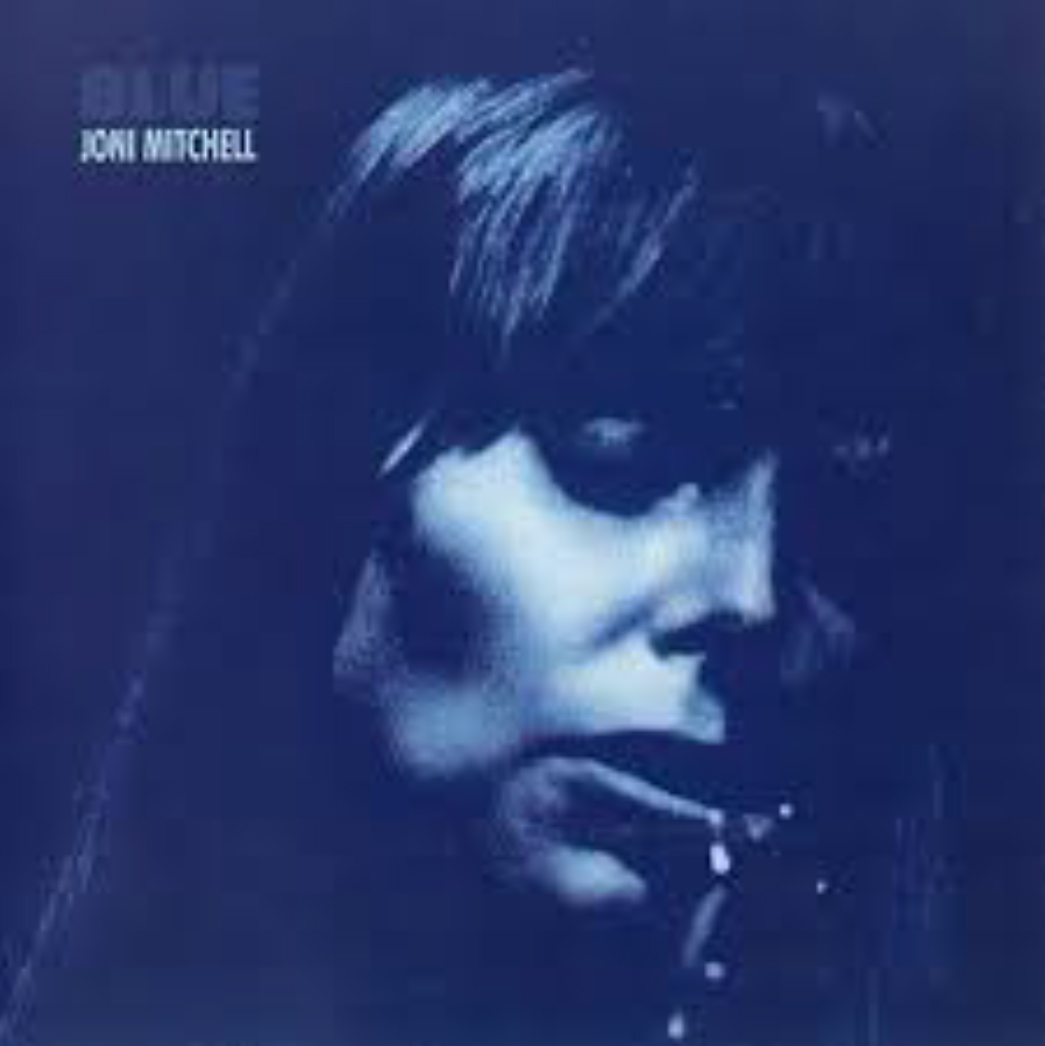
four or five, or maybe first grade. I’m not sure. I just drew and drew. I used to do the backdrops for school plays. My ambition was to be a painter. But my art instructor, said if I could paint, I could write songs. PAUSE ‘I’m Joni Mitchell and I’m going to be a world- famous singer-songwriter!’ Other people said, ‘You’re a lunatic.’” PAUSE I wrote and sang my most famous album, Blue. This is the opening track—also about James Taylor. All I Want The biggest gift of my Canadian childhood was the gift of nature: it was, in a way, it’s its own religion and it would give me the truest compass I would ever know. I began singing and playing in nightclubs in Saskatoon and Western Canada, then moved to Toronto and eventually to the U.S. They wrote me up in the local newspaper: “two-career girl.” When I saw it, I thought, “Two careers? I’m a painter. I don’t have two careers.” PAUSE “The music business has always been operated by crooks—but at least the crooks loved music. PAUSE Musically, I came from Debussy, Rachmaninoff, Edith Piaf, Billy Holiday,

Duke Ellington, and Miles Davis. PAUSE A lot of people think that “Blue” was my best album. Here is another track, about my beloved California. California I met Graham Nash, and he became my lover, my favorite. He proposed to me and I had to say no. I had sworn my heart to Graham in a way that I didn’t think was possible for myself and he wanted me to marry him. I’d agreed to it and then just started thinking, ‘My grandmother was a frustrated poet and musician. She kicked the kitchen door off the hinges.’ And I thought maybe I’m the one that got the gene who has to make it happen. As much as I cared for Graham, I thought, ‘I’ll end up like my grandmother, kicking the kitchen door off the hinges.’ It’s like, ‘I better not.’ And it broke my heart and his. PAUSE And another

track from Blue, “Carey,” which is about Cary Raditz, and our stay in Crete. Also from Blue. Carey “I felt like cellophane.” I bled these songs onto the pages. PAUSE I loved to be what I called a “pot stirrer.” I was trouble—and I was really good at it. PAUSE Once Myrt, my mother, went to get groceries. She was buying liver for supper because I liked it. Myrt went down to the basement, she tripped, she fell, and this liver splattered out and Myrt fell on the floor. We were all standing there looking down the stairs at her. Our friend, Marilyn said, ‘Is she dead?’ And I said, ‘I don’t know, but I don’t think we’re having liver for supper.’ PAUSE I seem to be more prolific musically than I am lyrically. And yet so many people seem to appreciate my lyrics more than my music. PAUSE And finally what I feel is my best song from Blue—“A Case of You.” This time about overwhelming love. “Before we had Prozac, we
had you, Joni” someone told me. A Case of You I walked to school with a chum. The third block before the school, I had to sit down and take a little rest because I was aching. And I said, ‘Oh dear, I’m getting old. I must have rheumatism ’cause my grandmother had rheumatism.’ The following day I couldn’t get out of bed. I was paralyzed. When they diagnosed it they shipped me off to a polio colony, outside St. Paul’s Hospital in Saskatoon.” I was a life-size, broken doll. PAUSE I willed myself to walk again. The unique link between my inner life, my emotions, and my instrument—my whole body— was formed when I willed myself to stand up and walk. I am not a cripple. I am not a cripple. The droopy little Christmas tree, my mother had set up in my room—I cried into its branches that if I walked again, I would somehow repay whatever blessing it could give me. After I did recover, I joined my church choir and sang descant. I sing my sorrow and paint my joy. I smoked ever since I was nine. PAUSE I wrote this song—not even having gone to Woodstock; and Crosby, Stills, Nash, and Young made a hit out of it. Woodstock I placed myself in the company of history’s number ones: Picasso, Beethoven, Mozart, and

Bob Dylan. Dylan, could speak in paragraphs. But it was from the sacrifice of music. You get the plateaus upon which to speak. It was my job to distill a hybrid that allowed for a certain amount of melodic movement and harmonic movement. PAUSE My three favorite artists: Stevie Wonder, spiritual jazz pioneer Alice Coltrane and Led Zeppelin. PAUSE My parents are both color-blind while I am color acute. “Don’t have kids when you get grown,” mother told me, planting the weedy feeling of rejection. I tried to talk my mom into buying me a guitar. I ended up with a baritone ukulele. I dislike weak women. My parents—their judgment was so sucky all the time. These people are not thinking and I’m small and in their care. Help! So I had to be my own person early on. PAUSE My producers asked for a hit—so I wrote this song. You Turn me On I’m a Radio. I had a column in the school paper called

“Fads and Fashion.” And I started fads and stopped them. I knew the mechanics of hip. It’s hip to wear your father’s tie to school. Ugh, it’s uncool, we did that last week. So by the time I was sixteen, I knew that hip was a herd mentality PAUSE I dumped hairy David Crosby for wispy Graham Nash, who lost out to lanky James Taylor, known to the world as Sweet Baby James. He was later replaced (though only for an unhappy moment) by wide-eyed Jackson Browne. We really were a bunch of workaholics, me

most of all. David Crosby, Graham Nash, and James Taylor. They labeled me the “Queen of El Lay. PAUSE Like Paris was to the Impressionists and the post-Impressionists, L.A. was the hotbed of all musical activity. Yeah, I quit. I quit for two years. I hadn’t cried for years, but at that time I cried all the time. I lost my daughter. I made a bad marriage. I made a couple of bad

relationships after that. And then I got this illness — crying all the time. My mother thought I was being a wimp. PAUSE “If you see me in my songs and wonder about my life, then I’m not doing a good job. If you see yourself, then I’m doing what I was meant to do. PAUSE Back to Blue—it’s now Christmas time… River The baby I sing of was Graham Nash. PAUSE I dreamed I was a plastic bag sitting on an auditorium chair watching a big fat women’s tuba band. Women with big horns and rolled- down nylons in house dresses playing tuba and big horn music, and I was a plastic bag with all my organs Chelsea NYC River Graham Nash exposed, sobbing on an auditorium chair at that time. That’s how I felt. Like my guts

were on the outside. I wrote Blue in that condition. Marvin Gaye’s “What’s Going On” (1971, the same year as Blue). PAUSE With Graham and me, it was different, harder. “It was an interesting clash of ‘I want to get as close to you as possible’ and ‘leave me alone to create,’ I have always found “Our House” slightly disturbing, if irresistible. It wasn’t his house, after all—it was mine. You really don’t know what you’ve got till it’s gone. PAUSE David Crosby fathered a son in 1962, three years before I gave birth to my daughter. Both children were in closed adoptions—for all intents and purposes, lost. PAUSE I eventually moved to Manhattan—and experienced a Chelsea Morning. John and Marilyn McHugh, the fairy godparents of Yorkville, signed me up for extended engagements at their club the Penny Farthing. It was there that I met Chuck Mitchell, who was bringing in crowds with his repertoire of songs from English vaudeville, The Threepenny Opera and, sometimes, rising songwriters like Dino Valenti and Eric Andersen. PAUSE I could cry if someone just looked at me. This was a problem for someone who had already played Carnegie Hall. The idea of people at my knees is horrifying to me. PAUSE Sometimes I needed an overdecorated house, sometimes I

needed something austere. Sometimes I was in search of love and music. Sometimes I needed painting and solitude. This was a crop rotation of the mind. PAUSE My producers wanted another hit, so I wrote this song… Hissing of Summer Lawns Jazz was originally called Negro folk music, which is ridiculous. Duke Ellington? Negro folk music? That was black classical music. It made classical music just sound square. PAUSE “The Circle Game” had applied a kind of whimsical stoicism to Neil Young’s theatrical vulnerability. I sometimes I said that my kinship with Young may be due to our complementary afflictions. “We were struck down by polio in the same epidemic: both in the back, in the precious spine, and in the right leg. I told Musician’s Vic

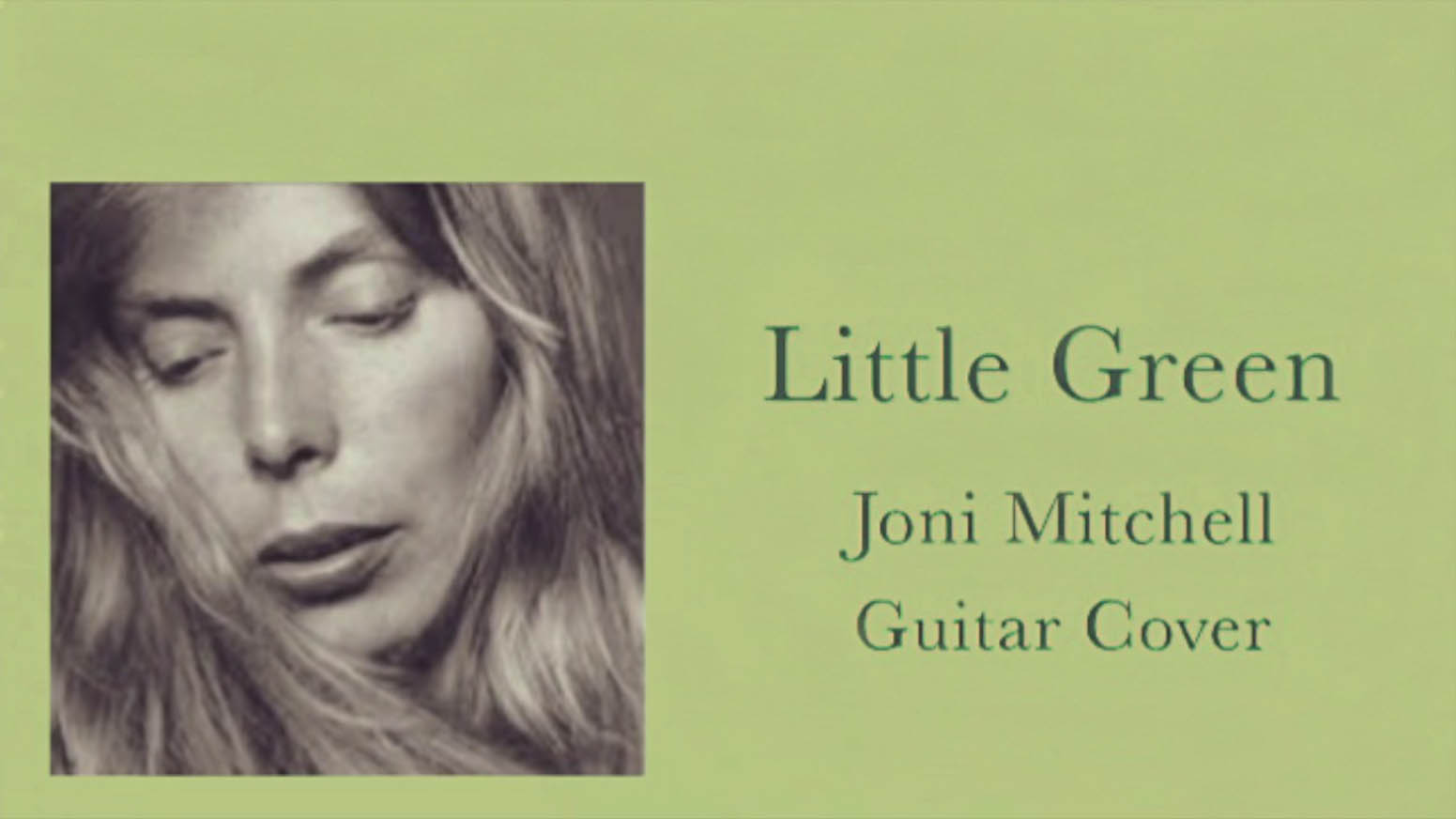
Garbarini. That’s a great will-forger, you know. PAUSE I was the only virgin left in art school and I was looking to lose it. So Moochie was the most available guy. It was my own stupid fault. It was losing face to the max. PAUSE I had an illegitimate daughter whom I named Kilauren, Kelly Dale, but I had to give her up for adoption, so I can’t imagine her name now. Circle Game I married Chuck Mitchell in order to create a home for my daughter. It didn’t work out. One month into the marriage, he chickened out, I chickened out. Chuck Mitchell had a degree in literature and I had flunked grade twelve. Chuck Mitchell was my first major exploiter, a complete asshole. So he had the pride of the educated and he basically thought I was stupid. The trauma of adoption may have doomed our marriage. Even after I gave up my baby, I would never stop thinking about her, writing about her, loving her. PAUSE I was so traumatized about having to give up my daughter, I wrote another song about her on my hit album—Blue. Little Green It’s just a matter of time. What happens, I began to ask myself, when a beautiful woman sings of ugly things? When that ugliness surfaces within herself? In my songs, I feel out of place among the Beautiful People, though in my glory days few may have noticed my sense of dislocation. PAUSE Leonard Cohen and I were soon spending a lot of time together, and by the time we cohosted a songwriter’s workshop at the Mariposa Folk Festival outside Toronto, a month after meeting, we were officially an item. So I left that marriage with a chip and I said to Leonard, ‘I need
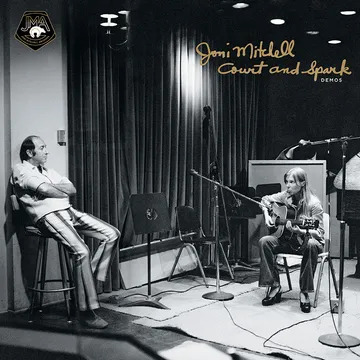
a reading list because my husband’s given me a complex that I haven’t read anything, except I did read the Tolkien books.’ PAUSE “Home” could mean British Columbia’s Sunshine Coast, SoHo, or Bel-Air. In each space, there was room for me to sleep to the afternoon, and create as long as the blarney would run. PAUSE This song was recorded by Judy Collins, which served as a springboard for my career. People had to hear Judy Collins first. I was not impressed. I wasn’t turning down the royalties or the glory of Judy Collins’s Grammy, but I never did like what Collins did to my song. Also at that time, if I’d been raising my daughter, “Both Sides Now” was triggered by a broken heart, the loss of my child. Both Sides Now Then Buffy Sainte-Marie dragged David Geffen to hear me sing. David became my manager. PAUSE The biggest thing David Crosby may have had to answer for: he was the one who led me into the boys’ club that would change my life. Crosby, Stills & Nash was formed in my living room not just on that day, but in that moment. It was hard to be taken seriously in the boys’ club of American pop. PAUSE I loved to dance and taught myself guitar, playing in tunings of my own devising. PAUSE I composed another album—Court and Spark. And the producers wanted another hit… Court and Spark Think of my role models: Georgia O’Keeffe in her desert, Emily Dickinson shut away upstairs. Instead of God, I put my faith in my own soul, in its infinite capacity to grow and to lead me beyond the fatal confines of a normal life. PAUSE I recorded more than twenty albums over the course of nearly forty years. PAUSE Lewy, a soft-spoken German Jewish refugee, had already amassed an eclectic résumé, working with a range of artists from the Mamas and the Papas to the Chipmunks. He became my producer. Improvisation—with Henry Lewy never thought that anything I was doing was crazy unless I asked him to

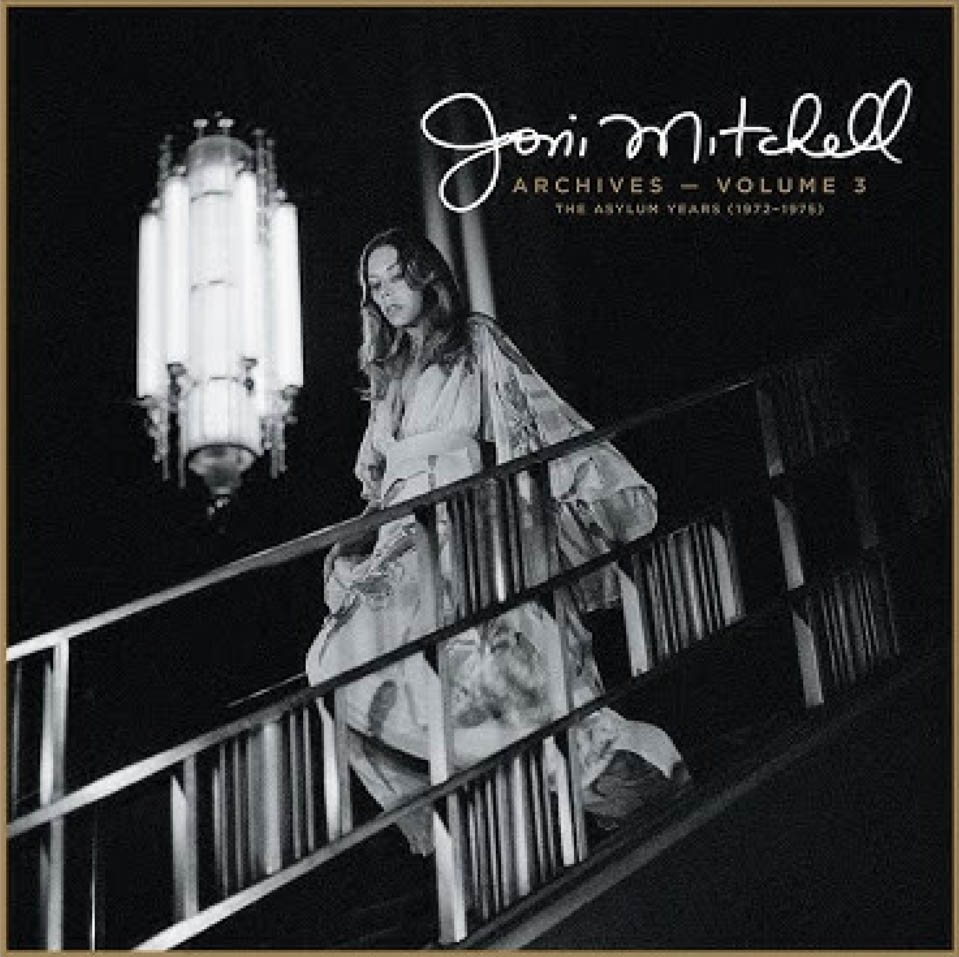
do something that was gonna make him look bad technically. He just believed in me. PAUSE I had so many lovers through the years. Those men whose hearts I’d supposedly crushed: Nash, Crosby and James Taylor. Help Me “Help Me” would become my only Top 10 single as a recording artist, and within two months of its release, Court and Spark, the album, would peak on the Billboard charts at number two. PAUSE I continually wondered if I could maintain the power others granted me, even as they insisted it emanated from within. PAUSE What is beauty? Real? constructed? deceptive? true? I wrote my way deep into this maze. My mind, ill at ease, in a body full of grace. Beauty bites back. “Ah Joni,” a fan once wrote me in a letter, after devoting hundreds of words to an analysis of one of my songs, “you’ve got all Dostoevsky’s brilliance, plus a beautiful ass.” PAUSE I was a young woman dodging male authority in a man’s world. PAUSE Looking back at my younger self, I would later describe my turn toward music as a rebellion against the stifling curriculum my art
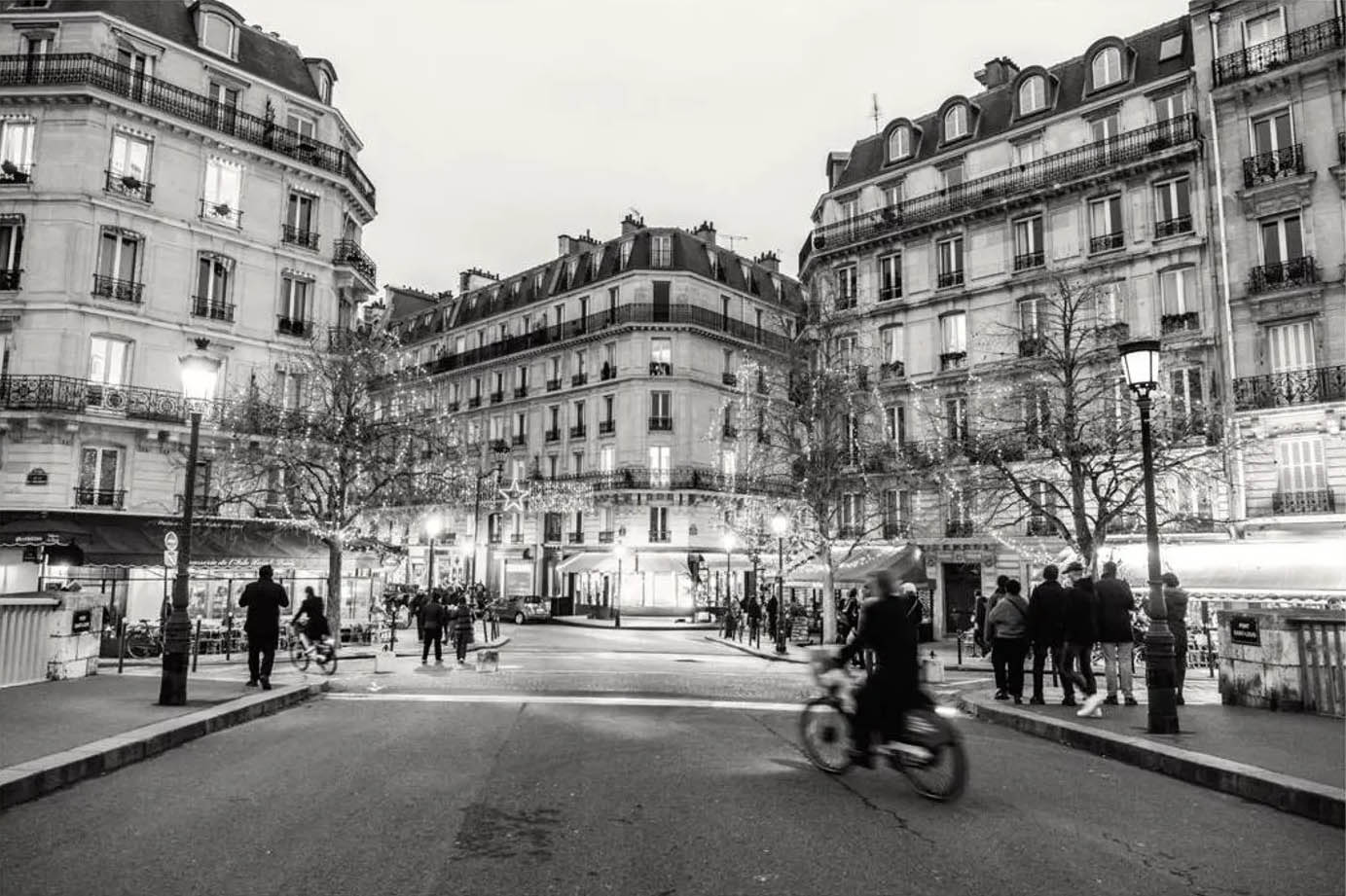
teachers imposed. Free Man in Paris Freedom to me is a luxury of being able to follow the path of the heart, to keep the magic in your life. Freedom is necessary for me in order to create, and if I cannot create I don’t feel alive. PAUSE I bought property, put up my Canadian flag, and sequestered myself in
what I called ‘a little stone house like a monastery where I could just go away and hide.’ There, I could live without electricity because I believed it was so carcinogenic. I had a revelation about it. You’ll never cure cancer until you go back to candlelight.” It was on the coast of Canada, in British Columbia on the Pacific Ocean. PAUSE I was one of the boys, with everything that position promised and took away. I moved through my time with the boys and came out my own woman. With my golden hair, my joking, my miniskirts, and, of course, with the soprano end of my three-octave voice, I could seem so sweet, so girlish. But if I needed to bust balls, I would find a way to do it. Warren Beatty and Jack Nicholson each made moves on me —their games were among the best honed in town—but I thought, no way. I was still reeling from one failed relationship after another. PAUSE I bought every psychology book I could lay my hands on: Jung, Freud, theology, self-help, psychiatry. I threw all of them against the wall. And then I was introduced to Nietzsche. Nietzsche would stick with me. He taught me that, among other things, “to live is to suffer, to survive is to find some meaning in the suffering.” Nietzsche also wrote that “without music, life would be a mistake.” Twisted Joni and her daughter and her grandson.
Twisted

Joni and her daughter and her grandson.

Joni today.